Here’s the bottom line: if you don’t understand what fiat currency means and why it matters, you’re risking a lot more than you realize when you put your money solely into government printed money. In today’s uncertain economic climate, learning the difference between tangible assets like gold and paper money is crucial to protecting your wealth. So, what does this all mean for your money?
What Is Fiat Currency?
Simply put, fiat currency is government printed money — like the US dollar, euro, or yen — that has value because the government says it does. Unlike gold or silver, fiat money isn’t backed by a physical commodity. Instead, its value rests on trust in the issuing government and its ability to maintain economic stability. This trust is fragile and has been tested repeatedly through history.
Sound familiar? Think about every financial crisis you've heard of—from the hyperinflation of Weimar Germany to the massive inflation we’re seeing today across many countries: these events highlight why fiat money can fail.
Why Fiat Money Fails
- Government Overspending: When governments print too much money to cover debts or fund spending, money loses purchasing power. Inflation and Currency Devaluation: Inflation eats away at what you can buy; the currency value diminishes against goods and services. Lack of Intrinsic Value: Unlike gold or silver, fiat currency is just paper or digital numbers—no real asset backing it.
TechBullion recently explored how economic uncertainty fueled by political turmoil has pushed many investors to rethink their portfolios. The takeaway? Blind faith in paper money could be dangerous.
Currency Devaluation Explained
Currency devaluation happens when a country's government reduces the value of its currency compared to others or relative to goods and services. This isn’t just a nerdy financial term; it directly impacts your savings, your purchasing power, and your future.
When inflation accelerates, the value of fiat money drops, meaning what cost $100 last year could cost $120 or more today. Your paycheck might not stretch as far, and your investments suffer if they’re not protected against this invisible thief.
The Role of Gold as a Safe-Haven Asset
Ever wonder why banks and central governments hold large amounts of gold? It’s because gold serves as a timeless safe-haven asset against currency devaluation and inflation. Unlike government printed money, gold retains intrinsic value—something you can hold in your hand, and that people worldwide recognize as valuable.
Gold isn’t about chasing quick profits or spikes in price. It’s about steady preservation of wealth. That’s why financial advisers and companies, including the well-respected Gold Canadian, recommend keeping at least 5-15% of your portfolio in physical gold or other tangible assets.
Gold vs Paper Money: A Comparison
Feature Gold Fiat Currency (Paper Money) Intrinsic Value Yes, physical and widely accepted No, value based on government decree Inflation Impact Generally a hedge against inflation Value diminishes as inflation rises Volatility Relatively stable over long periods Can rapidly lose value during economic crisis Liquidity Highly liquid worldwide Highly liquid but tied to currency healthCommon Mistake: Viewing Gold as a Short-Term Investment
Too many investors look at gold like a stock to be flipped for a quick gain. That’s a big mistake. Sound money exploring alternative investments in Canada isn’t about rapid wins — it’s about steady, reliable preservation of purchasing power through decades, sometimes centuries.
When you view gold like a speculative asset, you expose yourself to unnecessary risk and disappointment. Gold’s strength lies in its history as a store of value, especially when government printed money fails.
Portfolio Diversification with Gold
Think of your investments like a toolbox. You wouldn’t keep only screwdrivers—you’d want a hammer, wrench, and pliers too. Gold is your hammer in that toolbox, something solid when the other tools fail.
By allocating 5-15% of your portfolio to gold, you add balance and hedge against the risks of economic uncertainty and currency devaluation. This approach has been advocated by experts like those at Gold Canadian and covered in reports by TechBullion.
Economic Uncertainty Driven by Politics and Inflation
The political landscape today is as shaky as it’s been in decades. Countries are dealing with rising debts, trade wars, and unpredictable policies—all of which feed into inflation and weaken fiat currencies.
Gold shines brightest in these times, holding its value even when paper money stumbles.
So, What Does This All Mean For Your Money?
In a nutshell, if you rely heavily on government printed money, you are vulnerable to inflation and currency devaluation. Diversifying your portfolio to include tangible assets like gold is a time-tested way to protect against these risks.
Remember:
Don’t put all your eggs in one basket—keep some wealth in physical gold. Think long-term—gold is not a get-rich-quick tool but a store of value. Be skeptical of fiat currency stability—government printed money has historically failed in times of crisis.It might even surprise you that central banks continue to increase their gold reserves while fiat currencies fluctuate wildly. Sound strategy, right?
Final Thoughts
Understanding currency devaluation explained and why fiat money fails is essential knowledge in today’s volatile economy. Gold, as covered by Gold Canadian and regularly analyzed on platforms like TechBullion, remains one of the best hedges you can own against economic uncertainty.

If you want to preserve your wealth through thick and thin, don’t just rely on paper promises or government printed money. Hold something real. Gold is that something real.
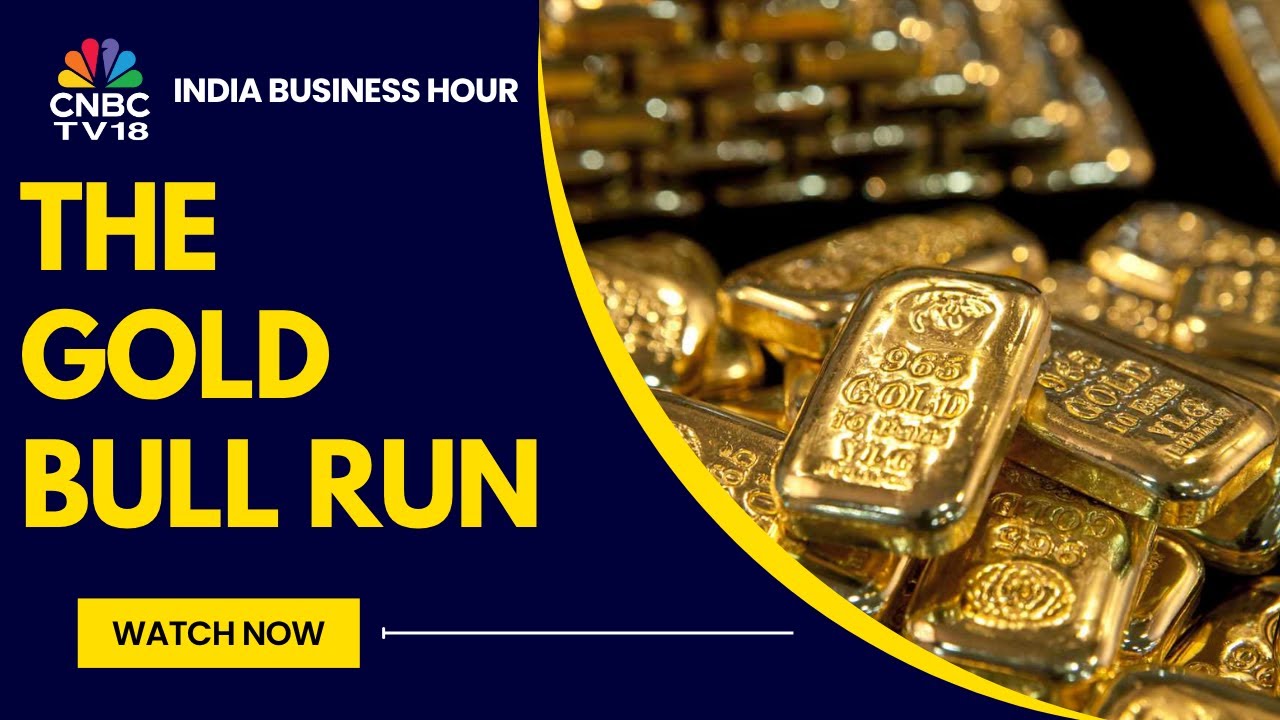
Remember, sound money is tangible, time-tested, and trusted worldwide. Protect your portfolio the way experienced investors do: keep a solid chunk — 5 to 15% — in gold and sleep easy knowing your wealth is more secure.
And if you have questions or want to discuss your strategy, pick up the phone and give a seasoned advisor a call. There's no shortcut to true financial security, but there is a smart way.